Craving a lifestyle where your morning coffee, errands, and train to work are all a short stroll away? Downtown Mountain View’s Castro Street offers that kind of convenience with a lively street scene. You may also be weighing real tradeoffs like evening noise, parking, and commute choices. This daily-life snapshot gives you a clear, on-the-ground look at walkability, transit, parks, housing types, and practical considerations so you can decide if it fits your routine. Let’s dive in.
Where Castro Street shines
Walkability for everyday errands
Central Castro Street addresses earn Walk Scores in the mid 90s, which signals true day-to-day convenience where most errands can be done on foot. You can step out for coffee, pick up lunch, and grab essentials without planning a drive. High Bike Scores also make short trips by bike easy in good weather. Walk Score’s mapping for central Castro backs up what you feel on the sidewalk.
Dining, retail, and street life
Castro Street is Mountain View’s main restaurant corridor, lined with small eateries, coffee shops, and bars, plus specialty retail. The street hums during lunch and stays active into the evening, which many residents love for spontaneity and choice. Expect a downtown that supports both weekday routines and weekend date nights.
Sunday farmers’ market rhythm
Every Sunday, a large, year-round farmers’ market sets up in the Caltrain station parking area from roughly 9 a.m. to 1 p.m. It can feature around 70 to 80 vendors at peak, and it draws a crowd. If you live nearby, this becomes part of your weekly rhythm for produce and prepared foods, and it also means heavier morning foot traffic and tighter station parking on market days. See the Mountain View Farmers’ Market details for timing and occasional relocations.
Arts and community events
Downtown hosts frequent cultural and seasonal events, plus performing arts programming nearby. These happenings add to the evening and weekend energy and can bring larger crowds on select days. Check the regional listings for current happenings on Visit Silicon Valley’s Mountain View events calendar.
Getting around, your way
Caltrain and VTA at your doorstep
The Downtown Mountain View Station sits just off Castro at 600 W Evelyn Ave, connecting you to Caltrain and VTA light rail and buses. For many residents, this makes rail commutes to San Jose or San Francisco very practical, with schedule types that can change your travel time. Get oriented with the Downtown Mountain View Station overview.
Shuttles and last-mile help
Downtown is served by local and employer shuttles, which many tech commuters rely on for last-mile connections. Caltrain maintains published shuttle stop information you can use to plan your transfer. Start with the Caltrain shuttle stop details for Mountain View.
Biking is practical
Short city trips by bike are common, and Mountain View’s routes help connect downtown to nearby open spaces. If you prefer two wheels, it is realistic to make grocery runs, gym visits, and casual dinners without a car.
Driving and highway access
You have quick access to US 101, SR 85, SR 237, and I 280. That makes regional driving feasible, but peak-period congestion is a reality across the Bay Area. Many residents combine walking and rail for daily life, then drive for weekend trips or errands that are further afield.
Parks and open space nearby
Shoreline for big weekend space
Shoreline at Mountain View is a large regional destination of roughly 750 acres with multi-use trails, a sailing lake, an 18-hole golf course, a dog park, and Shoreline Amphitheatre. It is a short drive or bike ride north of downtown and is a favorite for long walks, biking, and concerts. Major events can increase traffic on show nights. Explore the city’s Shoreline Park overview.
Rengstorff Park and pocket plazas
Rengstorff Park offers playgrounds, courts, athletic fields, and a new aquatics center with programming ramping in 2025. Smaller downtown green spaces, including Centennial Plaza next to the station, give you spots to sit outdoors between errands. See the Rengstorff Park facility page for amenities.
Housing and market snapshot
What you will find downtown
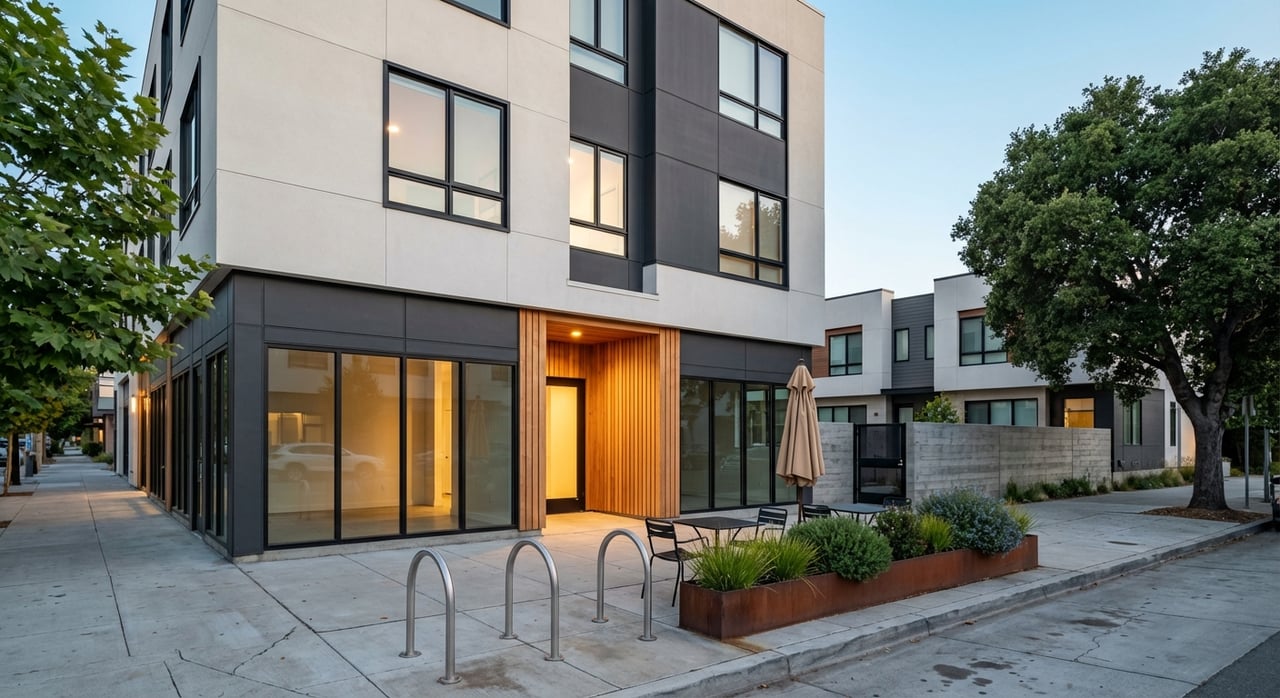
Directly on or near Castro Street, you will see a concentration of apartments, condominiums, and mixed-use buildings with retail at street level and housing above. A few blocks away, single-family homes become more common in established neighborhoods. The city has supported new infill and mixed-use projects that add homes close to services. Location data on Walk Score’s Castro area map aligns with this mix.
Pricing context to frame expectations
By national standards, Mountain View pricing is high. Recent snapshots from major market-data providers show different figures depending on method and property type. As of late January 2026, Zillow’s average home value estimate for Mountain View was around 1.97 million dollars, while a Redfin snapshot reported a median sale price near 1.66 million dollars for that month. Use current MLS data for exact comps the week you shop, and expect variation by size, condition, and proximity to downtown.
Lifestyle tradeoffs by property type
Condos and mixed-use buildings downtown often come with HOA fees and less private outdoor space than single-family homes. In return, you gain unmatched access to restaurants, transit, and events. Newer infill sometimes includes below-market units through city agreements, but details vary by project.
Everyday tradeoffs to weigh
Noise and nightlife
Restaurants and bars keep later hours than quieter residential pockets. Units facing Castro often hear more street activity, deliveries, and event crowds. If noise is a concern, ask about building orientation, double-pane windows, and bedroom placement during showings.
Parking reality
On-street spaces and many downtown lots carry time limits of 2 to 3 hours, so all-day options in the core are limited. The Caltrain station lot is paid and can fill on peak and market days. Review current station specifics on the VTA Mountain View station page and see a general overview of downtown parking norms summarized by Diamond Certified’s Mountain View guide. Many downtown residents choose to own one car or go car-light, and rely on walking, biking, and transit.
Commute planning
If your job is on the Caltrain corridor, rail can be faster and more predictable than driving at rush hour. Compare local, limited, and express train options for your actual time of day and weigh them against drive times. The Caltrain system overview is a helpful starting point before checking the latest schedules.
Is Castro Street right for you?
You will likely love Castro Street living if you:
- Want most errands, dining, and transit within a quick walk.
- Commute along the Caltrain or VTA corridor and value schedule flexibility.
- Prefer a car-light lifestyle with bikeable access to parks and services.
- Enjoy active street life, community events, and evening energy.
- Are considering a condo or mixed-use building and are comfortable with HOAs.
You may prefer nearby neighborhoods if you:
- Need a larger single-family home with a yard and more private outdoor space.
- Are very sensitive to evening noise or late-night street activity.
- Drive daily at peak hours to areas not served well by rail and want easy, unlimited parking.
Quick tips before you decide
- Visit at different times. Walk the block on a weeknight and on a Sunday morning during the market.
- Ask about noise mitigation. Confirm window construction, bedroom orientation, and any building policies on quiet hours.
- Confirm parking and permits. Map your garage options and understand time limits if you expect regular guests.
- Check rail against your commute. Compare a local train to limited or express service for your specific hour.
- Budget for HOAs and parking. Add monthly fees or garage costs into your total payment plan.
- Map your bike routes. Identify the safest paths to Shoreline, grocery stores, and your usual errands.
If Castro Street living is on your radar, let’s talk through the tradeoffs and compare a downtown condo to single-family options a few blocks away. For early looks at RS Exclusive opportunities and a data-backed plan tailored to you, connect with the Real Smart Group.
FAQs
How walkable is Castro Street in Mountain View?
- Central Castro Street addresses typically score in the mid 90s for walkability, so most daily errands can be done on foot without a car.
What public transit serves Downtown Mountain View?
- The Downtown Mountain View Station connects Caltrain, VTA light rail, and buses, putting regional rail and local transit a short walk from Castro Street.
Are there weekly markets or festivals downtown?
- Yes. A large Sunday farmers’ market runs most weeks at the Caltrain lot, and the downtown calendar features frequent cultural events and seasonal celebrations.
What should I know about parking near Castro Street?
- Expect time-limited on-street and garage parking downtown, paid parking at the station, and heavier demand during peak times and market days.
What housing types are common near Castro Street?
- You will see apartments, condos, and mixed-use buildings near the corridor, with more single-family homes appearing a few blocks away in established neighborhoods.
Is it realistic to own one car or go car-light here?
- Many residents do. Walking, biking, Caltrain, VTA, and employer shuttles can cover most needs, though personal habits and commute destinations matter.