Trying to choose between a townhome and a single-family home in San Jose? With prices high and homes moving fast, the right fit can save you time, stress, and money. You want enough space and privacy without taking on surprise costs or financing headaches. In this guide, you’ll compare costs, maintenance, financing and insurance, privacy, resale, and a simple way to total your monthly budget. Let’s dive in.
San Jose market at a glance
San Jose remains one of the country’s priciest and most competitive markets. Recent city snapshots show an all-home median sale price near $1,330,000 as of February 2026, with days on market in the low teens. Industry reports for January 2026 also show a wide price gap by property type: detached single-family around $1.7 million, attached townhomes around $1.07 million, and condos around $755,000. Vendors measure things differently, so numbers can vary by date and method, but the pattern is consistent: townhomes often offer a lower entry price than detached homes.
Neighborhoods vary widely across San Jose and Santa Clara County. Price per square foot, lot size, and whether townhomes or single-family homes dominate can differ by area. County tables illustrate these neighborhood swings in detail, so use local comps when you zoom in on a specific community. You can review county market materials for a sense of that variation in the data releases on Santa Clara County’s site.
What you actually own
A “townhome” can be set up legally as a condominium or as a planned unit development (PUD). In a condo setup, you usually own your unit’s interior, while the association owns and maintains the building exterior and shared areas. In a PUD or fee-simple structure, you may own the home and the land to your lot lines, with an HOA that manages certain shared elements. This legal form drives financing, insurance, and who pays for what. You can read how lenders evaluate these projects in the Fannie Mae project standards.
In California, HOAs operate under the Davis-Stirling Common Interest Development Act. When you buy into an HOA community, review the CC&Rs, bylaws, budgets, reserve studies, meeting minutes, insurance declarations, and any litigation disclosures before you remove contingencies. These documents explain both your rights and your responsibilities as an owner.
Maintenance and monthly costs
If you buy a single-family home, you typically handle all exterior items yourself: roof, siding, paint, yard, driveway, and fences, plus interior systems. That adds time and cash flow requirements for repairs and replacements. Homeowners often use a rule of thumb for maintenance planning, such as a percentage of home value per year. High home values in San Jose mean the dollar amounts can be significant.
If you buy a townhome or a condo within an HOA, your monthly dues usually cover exterior upkeep, common-area landscaping, and any shared amenities. You still cover your interior and personal repairs. The strength of the HOA’s reserves and any history of special assessments matter. Industry groups that support HOAs outline how budgets and reserves are supposed to work; those basics can help you read the documents more confidently.
HOA dues vary project by project. Some San Jose communities charge in the low hundreds per month, while others run higher when there are elevators, gyms, extensive landscaping, or large insurance deductibles. Always verify the exact dues, what they cover, and whether any increases or special assessments are planned.
Privacy and outdoor space
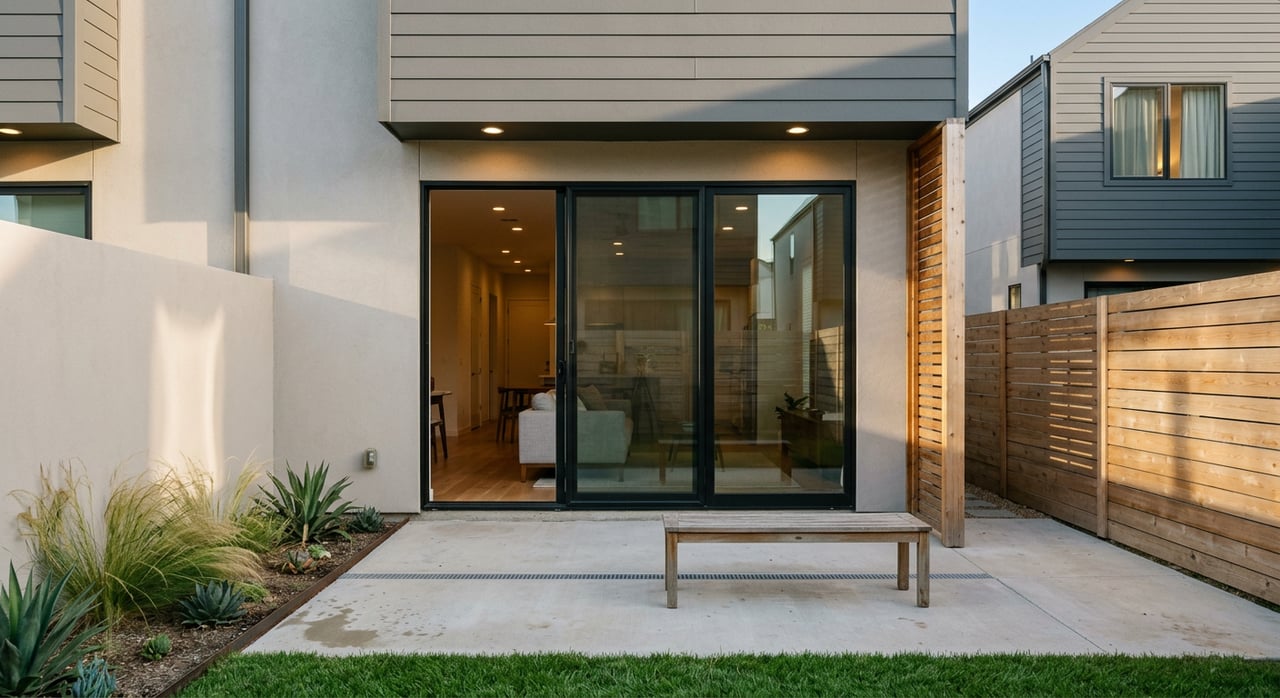
Townhomes share at least one wall, so you may notice more neighbor noise and have a smaller private outdoor area, usually a patio or balcony. Single-family homes typically offer more separation from neighbors and a private yard. If you want room for gardening, pets, or play, the yard and control that come with a detached lot may feel more comfortable. Walk the property at different times of day so you can test sound, light, and how you would use the space.
Financing and insurance 101
- Project eligibility for attached housing. Conventional financing for condos and some townhome projects can depend on the building’s financial health and other factors. Lenders call this warrantability. If a project has high delinquency, low reserves, heavy commercial space, or litigation, some conventional loans may not be available. You can see how this works in the Fannie Mae project standards and the summary of ineligible projects.
- FHA has its own approval pathways. If you plan to use FHA financing, ask your lender about the project-approval list and single-unit approval. Learn more on HUD’s page about FHA-insured condominiums.
- Insurance differs by property type. Most detached homeowners carry an HO-3 policy for the structure and contents. Condo/townhome owners typically carry an HO-6 policy for the interior and personal property that coordinates with the HOA’s master policy. Review whether the HOA’s master policy is “walls-in” or “all-in” and note the deductible, since high deductibles can create loss-assessment exposure. For a quick primer, see this overview of HO-3 vs HO-6 coverage.
Property taxes in Santa Clara County
California’s Prop 13 limits the base property tax rate to 1.00% of assessed value, with voter-approved bonds and special assessments added on top. In Santa Clara County, county materials illustrate a combined example rate around 1.1488% of assessed value. Using that illustration, a $1,000,000 assessed value would translate to roughly $11,488 per year in property taxes. Always confirm the exact parcel’s tax rate, any Mello-Roos, and special assessments. The county explains these mechanics in its Assessment Information booklet.
Resale and liquidity
Financing rules shape the buyer pool. If a condo or townhome project is non-warrantable, fewer lenders participate, which can require larger down payments or specialized loans. That narrower buyer pool can affect time on market in some cycles. Detached single-family homes tend to attract a broader set of buyers and often enjoy stronger liquidity in many suburban segments, though results vary by neighborhood and price band. Use local comps to set expectations for your exact area.
ADU potential and long-term flexibility
San Jose continues to promote accessory dwelling units (ADUs) and has streamlined permitting, which can expand how single-family lots are used over time. The city has even approved condominium mapping for ADUs in specific situations. If you want multigenerational space or potential rental flexibility, investigate what’s allowed on a given parcel and watch for updates in the city’s ADU ordinance archive.
Quick comparison checklist
Use this list to compare a specific townhome or single-family home:
- HOA documents. For an attached home, request CC&Rs, bylaws, the current budget, the latest reserve study, insurance declarations, meeting minutes, and any litigation disclosures. The Davis-Stirling Act governs how associations operate and disclose information.
- Project eligibility. Ask your lender whether the condo/townhome project is warrantable under Fannie Mae standards. If not, confirm your loan options and down payment.
- Maintenance vs HOA. For a detached home, budget annual maintenance as a percentage of home value and adjust for the age and condition of major systems. For an attached home, compare your HOA dues to what you would otherwise spend maintaining exterior elements.
- Insurance scope. Verify what the HOA master policy covers and what your HO-6 or HO-3 must cover, including any loss-assessment needs. If you are new to these policy types, this insurance primer is a helpful starting point.
- Taxes. Check the parcel’s tax rate, any bonds, and Mello-Roos. Use the county’s Assessment Information booklet to understand how Prop 13 works and how rates vary by area.
- Site feel. Walk the property to test noise transfer, light, and outdoor usability. Photos can miss real-world tradeoffs.
Build your monthly comparison
Here’s a simple way to compare total monthly cost. Use actual numbers from a listing and your lender.
- Start with your estimated mortgage payment from your lender.
- Add HOA dues if buying an attached home.
- Add your estimated monthly maintenance. Many owners use a percentage of home value divided by 12, adjusted for age and condition.
- Add monthly property taxes using the parcel’s rate.
- Add your monthly insurance premium.
Illustrative tax math using the county’s example combined rate of about 1.1488%:
- Attached townhome price example: $1,074,000
- Estimated annual property tax: ≈ $12,338
- Estimated monthly property tax: ≈ $1,028
- Detached single-family price example: $1,699,444
- Estimated annual property tax: ≈ $19,523
- Estimated monthly property tax: ≈ $1,627
Fill in your own HOA, maintenance, insurance, and mortgage numbers to total your monthly cost side by side.
What fits your life right now?
- Choose a townhome if you value a lower entry price, want less exterior maintenance, and like the idea of shared amenities. Read the HOA docs carefully so you know the dues, reserves, and any upcoming projects.
- Choose a single-family home if you prioritize privacy, a private yard, and control over your property. Budget for exterior upkeep and long-term replacements.
If you are on the fence, compare real homes that match your daily life. Stand in the living room, step into the yard, listen for noise, and ask your lender to price your loan options for each scenario. The details often make the decision clear.
Ready to run the numbers on actual listings and see early opportunities before the crowd? Reach out to the Real Smart Group for a local, data-backed plan that fits your timeline and budget.
FAQs
What should I review in HOA documents before buying a San Jose townhome or condo?
- Read the CC&Rs, bylaws, current budget, most recent reserve study, insurance declarations, meeting minutes, and any litigation disclosures to understand dues, reserves, and risk.
Are San Jose condos and townhomes harder to finance than single-family homes?
- Sometimes. Condos and some townhome projects must meet lender project standards. If a project is non-warrantable, fewer loan options may be available. Ask your lender about Fannie Mae project standards.
How do property taxes work in Santa Clara County under Prop 13?
- The base rate is 1.00% of assessed value plus voter-approved bonds and assessments. A county example rate is about 1.1488%. See the county’s Assessment Information booklet for details.
What insurance policy do I need for a townhome or condo?
- Most condo/townhome owners carry HO-6 to cover interiors and coordinate with the HOA’s master policy; detached owners typically carry HO-3. Review master policy deductibles and consider loss-assessment coverage. See this insurance overview.
What are special assessments and how can I spot the risk?
- Special assessments are one-time charges to owners for major projects or shortfalls. To gauge risk, study the reserve study, budget, minutes, and any planned repairs under the Davis-Stirling Act.